The Panama Canal in short
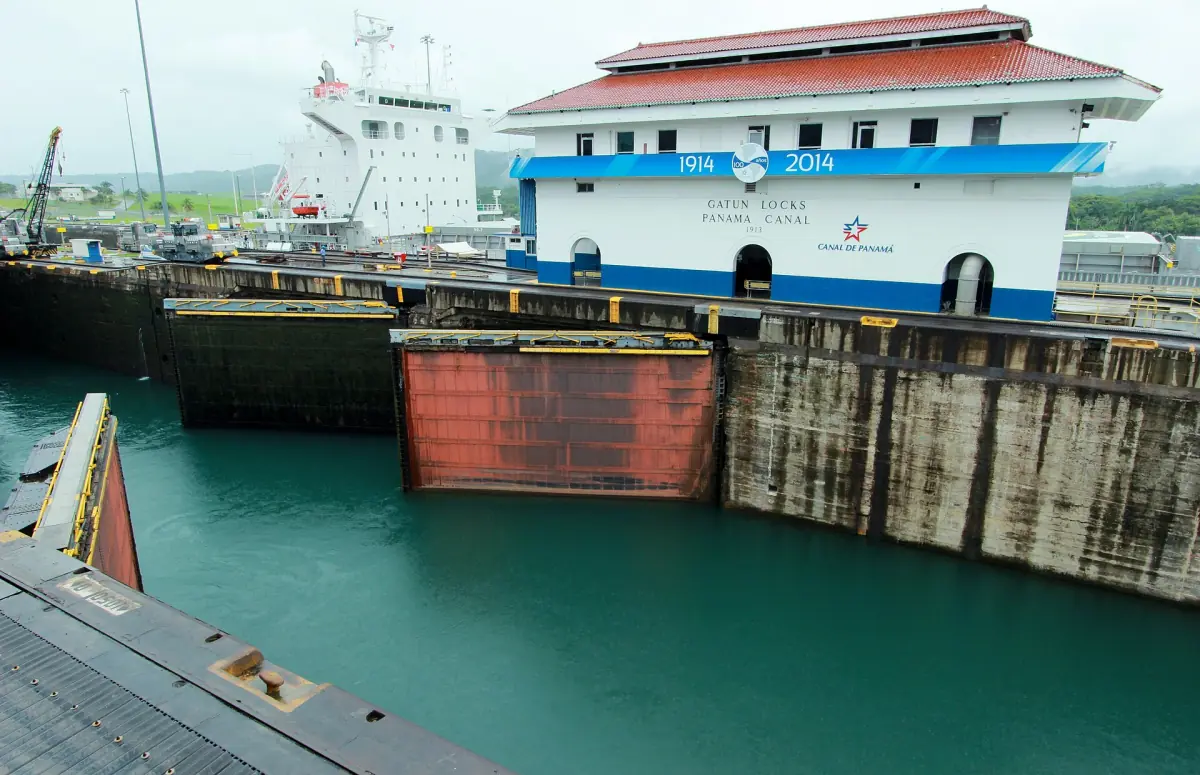
The canal links the Atlantic and the Pacific over about 50 miles (80 km). It is not a sea-level cut. Ships are lifted by locks to Gatun Lake, about 85 feet (26 m) above the sea, and lowered again on the other side. The three original lock complexes are Gatun on the Atlantic side and Pedro Miguel and Miraflores on the Pacific side. Two newer complexes, Agua Clara and Cocolí, were added in 2016.
Its history falls into four chapters: a French attempt in the 1880s, the US construction that ended with the opening in 1914, a period of US administration that ended in 1999, and the expansion of 2016. The dates below follow the canal authority (ACP).
Timeline of the Panama Canal
Eight dates that matter, from the first spade to the expansion.
1880: the French begin
The canal authority dates the first French attempt to January 10, 1880 and says it was abandoned after 9 years. Its longer history describes a ceremonial first shovel on January 1, 1880. Both dates appear in its sources, so do not reduce the start to a single day or to 1881.
1889: the company is dissolved
The French company was dissolved in January 1889, and the digging stopped.
1894: a second French effort
A new French company took up the excavation again in 1894.
1904: the United States starts
US construction began on May 4, 1904.
1914: the canal opens
The official opening came on August 15, 1914 with the passage of the steamer Ancón. Earlier trial passages are not counted as the official opening.
1977: the treaties
The Torrijos-Carter treaties were signed on September 7, 1977.
1999: Panama takes over
Panama assumed the administration of the canal at noon on December 31, 1999.
2016: the expansion
The expanded canal was inaugurated on June 26, 2016, with a third lane of locks at Agua Clara and Cocolí. See the locks on our map.
Panama Canal tours with a view of the history
Boat trips, canal transits and day tours from Panama City, with live prices and availability.
The French attempt, 1880 to 1894
The French effort is the part of the story that is easiest to oversimplify. The canal authority gives several milestones, and they are not contradictory, because each describes a different event. The first attempt dates from 1880. The company was dissolved in January 1889. A new French company resumed excavation in 1894.
If you see a start date that differs from another one by a few days, check which event it describes: a ceremony, the start of digging or the end of an attempt.
US construction and the 1914 opening
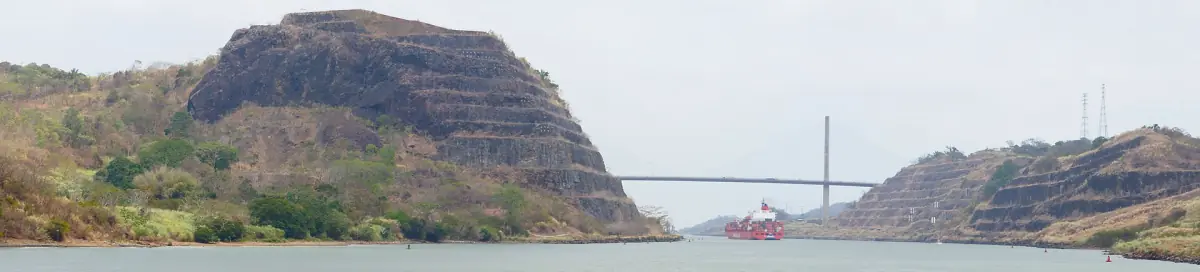
US construction began on May 4, 1904. The canal opened officially on August 15, 1914, when the steamer Ancón made the first official passage. The original route takes ships through the Miraflores and Pedro Miguel locks, the Culebra Cut, Gatun Lake and the Gatun locks. Rock excavated from the Culebra Cut was used to create the Amador Causeway, which links Naos, Perico, Culebra and Flamenco near Panama City.
The original locks still work. The old locks use locomotives to hold ships in position, while the newer Cocolí and Agua Clara locks use tugboats. You can watch the difference at the Miraflores visitor center and from the Agua Clara viewpoint.
Treaties and handover
The Torrijos-Carter treaties of September 7, 1977 set the path to the transfer. Panama took over the administration of the canal at noon on December 31, 1999. Today the Panama Canal Authority, ACP, runs it. This site is an independent guide and is not connected to the authority.
The 2016 expansion
The expanded canal was inaugurated on June 26, 2016. It added a third lane with two new lock complexes, Cocolí on the Pacific side and Agua Clara on the Atlantic side. The original locks were not replaced and are still in use. A ship on the new route does not pass through every lock complex. It uses Cocolí and Agua Clara instead of Miraflores, Pedro Miguel and Gatun.
Recent years: water and slots
Water has been the canal's main constraint in recent years. In December 2023 the authority announced 22 daily transits, with 24 from January 16, 2024. In August 2024 it announced the return to a draft of 50 feet (15.24 m) from August 15 and 36 slots from September 1. These figures describe those periods and are not today's rules. As of October 2026 the authority lists 33 daily slots from October 15 and a draft limit of 49 feet (14.94 m) for the largest ships until further notice.
Where to see the history in Panama
Hours and fees are as of 2026. Confirm them before you go.
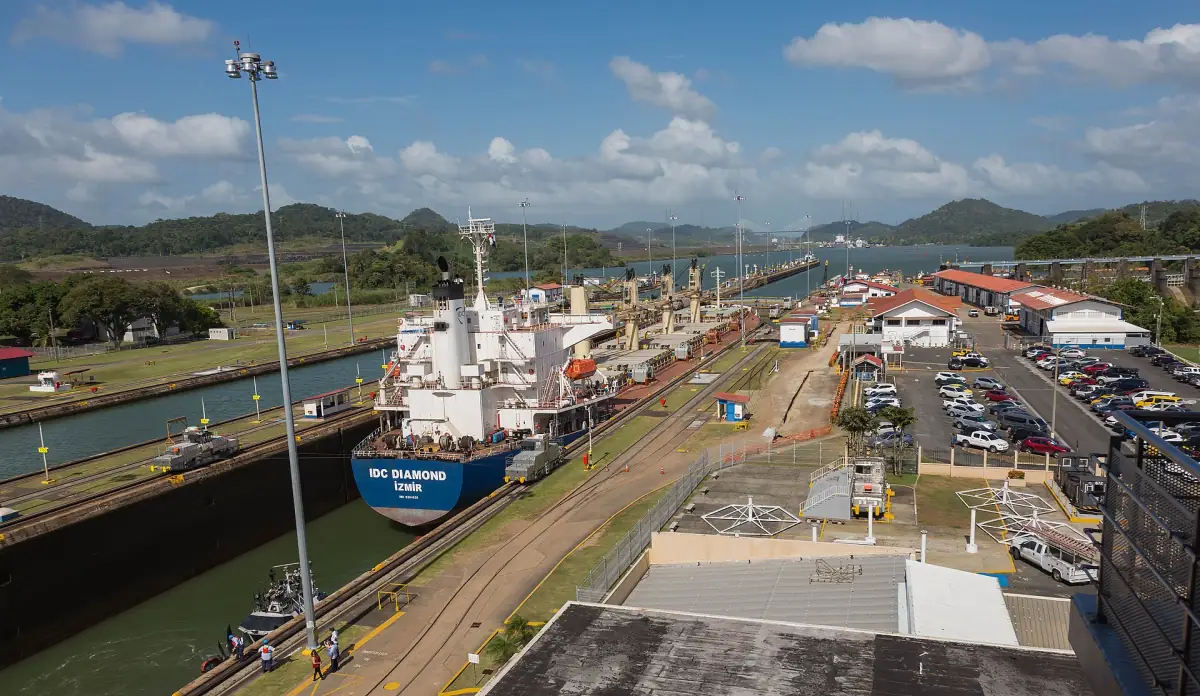
Miraflores Visitor Center
See the original locks, open every day from 8 am to 6 pm. Adult non-resident entry is $17.22 in 2026.
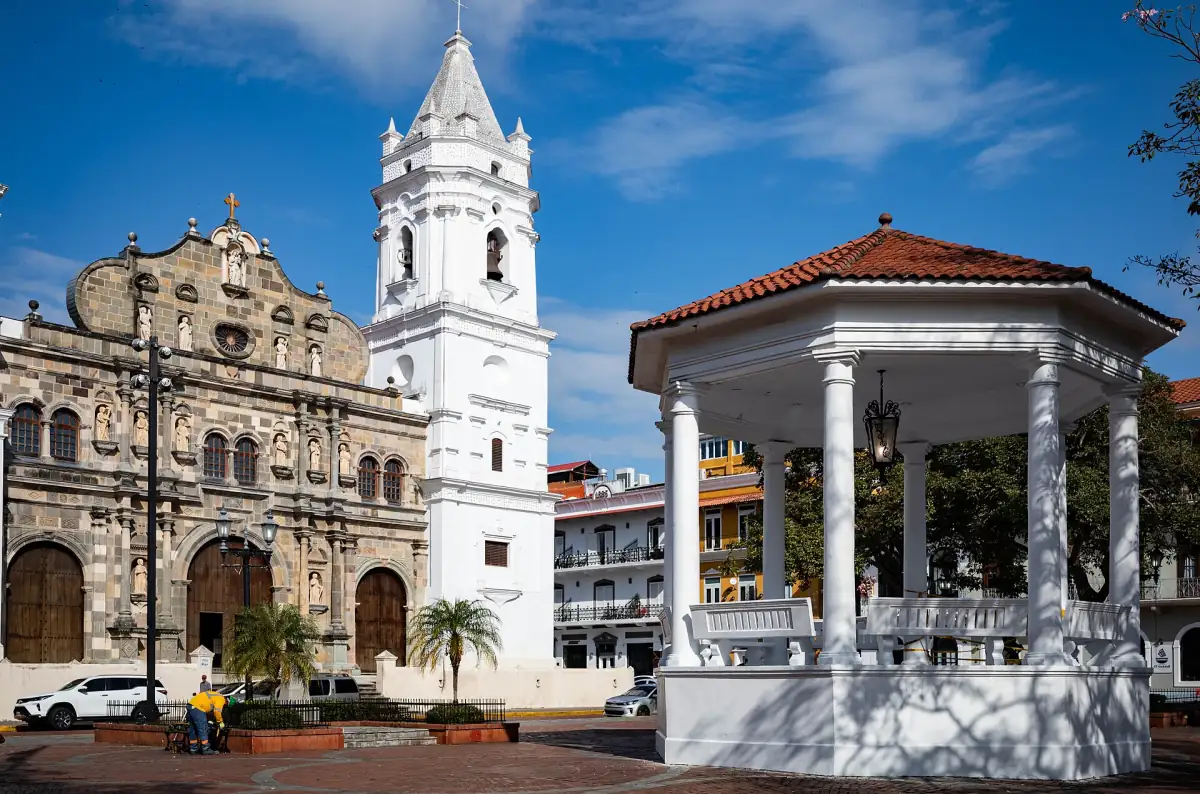
Casco Viejo and the canal museum
The Museo del Canal Interoceánico stands on Plaza de la Independencia, open Tuesday to Sunday from 10 am to 6 pm.
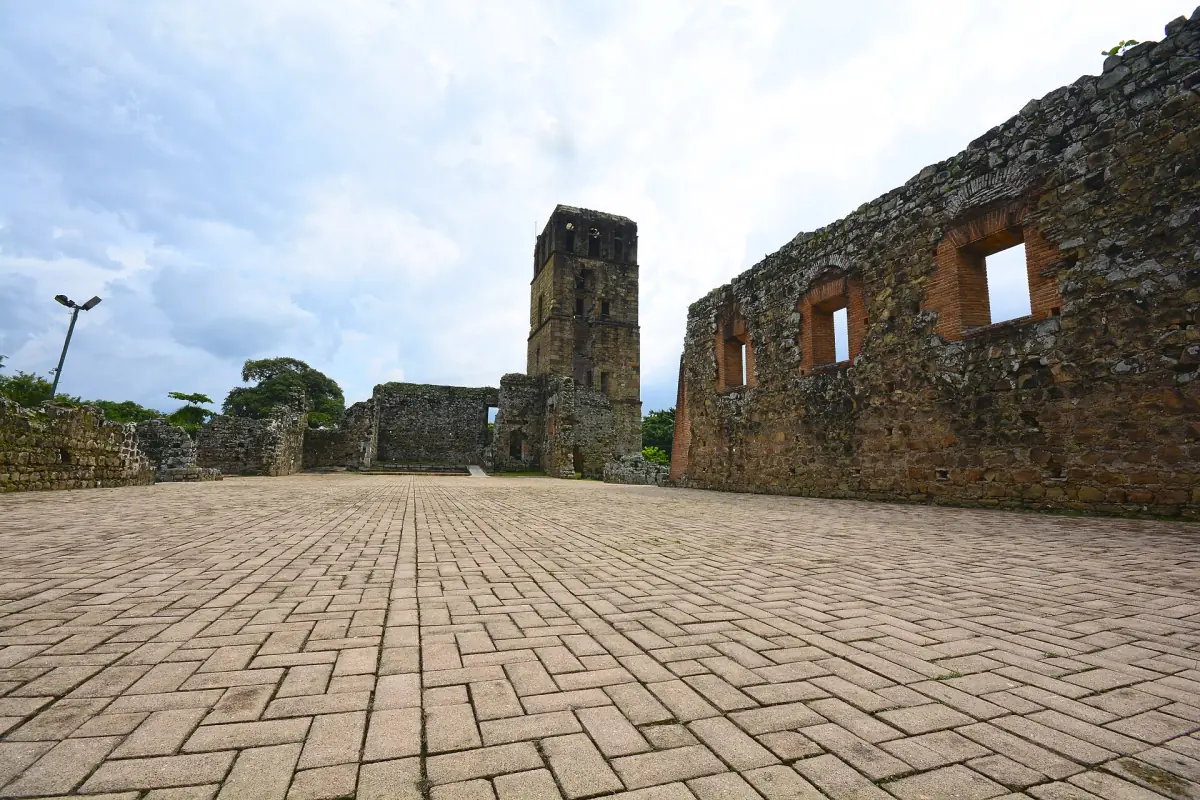
Panamá Viejo
The archaeological site is open Tuesday to Sunday, with the ticket office closing at 4:30 pm. It is closed on Mondays.
Gatun locks and Gatun Lake
The Atlantic end of the original canal and the lake that holds the water.
The Museo del Canal Interoceánico is listed by the canal authority at Plaza de la Independencia, Calle 5a Este. It lists admission of $5 to $15 for non-residents, without breaking down the categories, so ask at the desk for your ticket price.
Panama Canal history: frequently asked questions
When did the Panama Canal open?
Officially on August 15, 1914, with the passage of the steamer Ancón. Earlier trial passages are not the official opening.
When did Panama take over the canal?
At noon on December 31, 1999. The Torrijos-Carter treaties were signed on September 7, 1977.
Who built the Panama Canal?
A French company started the work in 1880 and stopped in 1889. A new French company resumed excavation in 1894. US construction began on May 4, 1904 and led to the opening in 1914.
Did the expansion replace the old locks?
No. The expansion, inaugurated on June 26, 2016, added a third lane with the Agua Clara and Cocolí locks. The original Gatun, Pedro Miguel and Miraflores locks remain in use.
Where can I learn about the canal in Panama City?
At the Miraflores Visitor Center, which has a 45 minute film, and at the Museo del Canal Interoceánico in Casco Viejo. See our Casco Viejo guide for the old town.
Why do some sources give different start dates?
Because the French effort had several milestones. The authority gives January 10, 1880 for the first attempt and January 1, 1880 for the ceremonial first shovel.