
Panama Canal cruises: full transit or partial transit
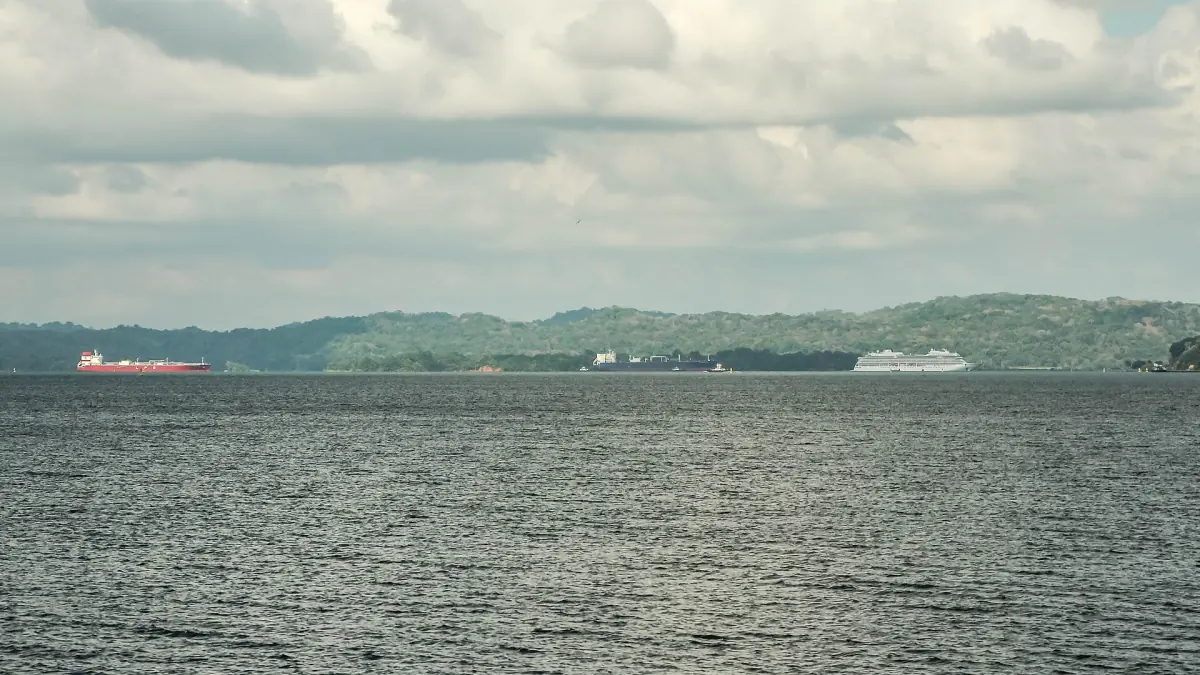
A Panama Canal cruise comes in two basic forms. A full transit takes the ship from one ocean to the other, for example on a repositioning voyage between the Atlantic and Pacific coasts. A partial transit is a round trip: the ship passes through the locks up to Gatún Lake, turns around and returns the way it came.
Both are real canal passages, but they are not the same trip. On a full transit you cross the whole isthmus. On a partial transit you see the locks and the lake, then go back. Check the itinerary before you book, because the name of the cruise rarely tells you which one it is.
A ship needs on average 8 to 10 hours for the passage. That is the time for the ship, not a fixed schedule for your day, so do not plan a dinner reservation or a flight around it.
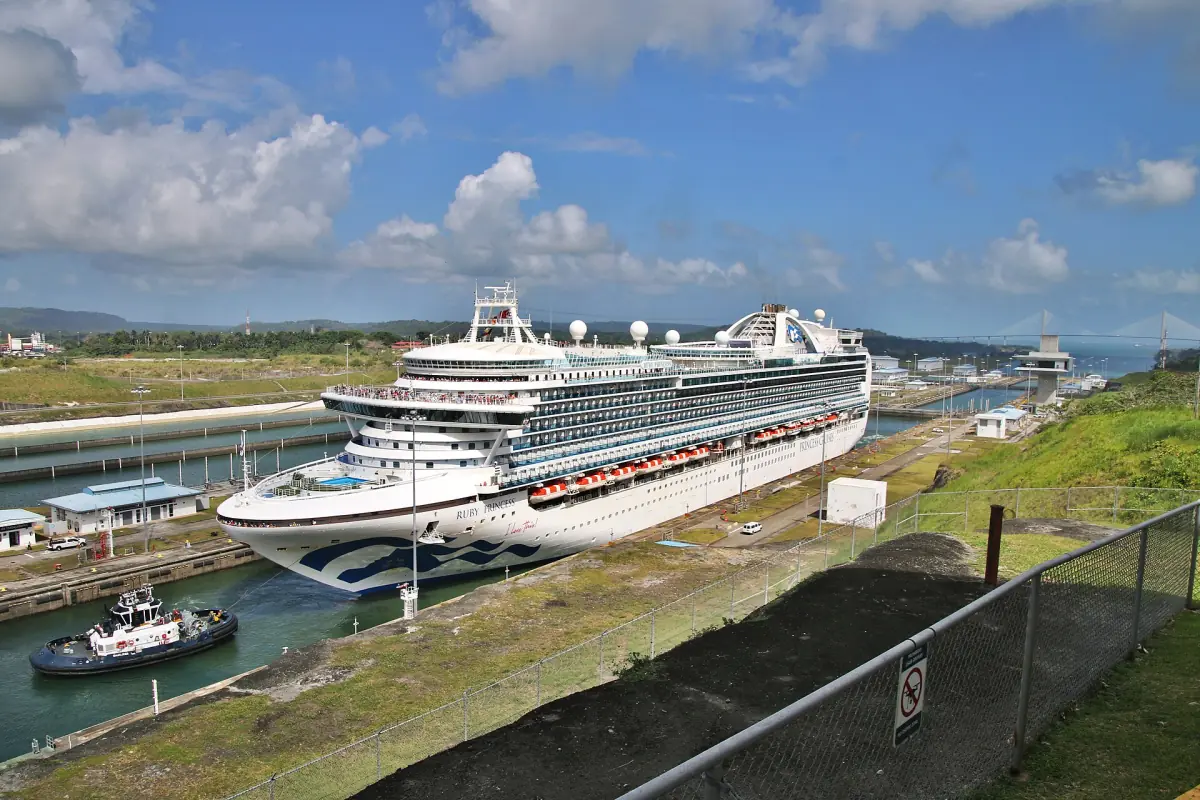
Full transit, partial transit and port call compared
Three ways a cruise can include the canal.
| Type | What happens | Typical shape | Good to know |
|---|---|---|---|
| Full transit | The ship crosses from the Atlantic to the Pacific, or the other way round | Repositioning voyage or one way itinerary | Not every full transit uses all three original lock complexes |
| Partial transit | The ship goes through the locks to Gatún Lake and returns | Round trip, for example from Florida | Shore excursions are booked separately |
| Port call only | The ship stops at Colón or Fuerte Amador, no canal passage | Caribbean or Pacific itinerary | You see the canal on a land excursion |
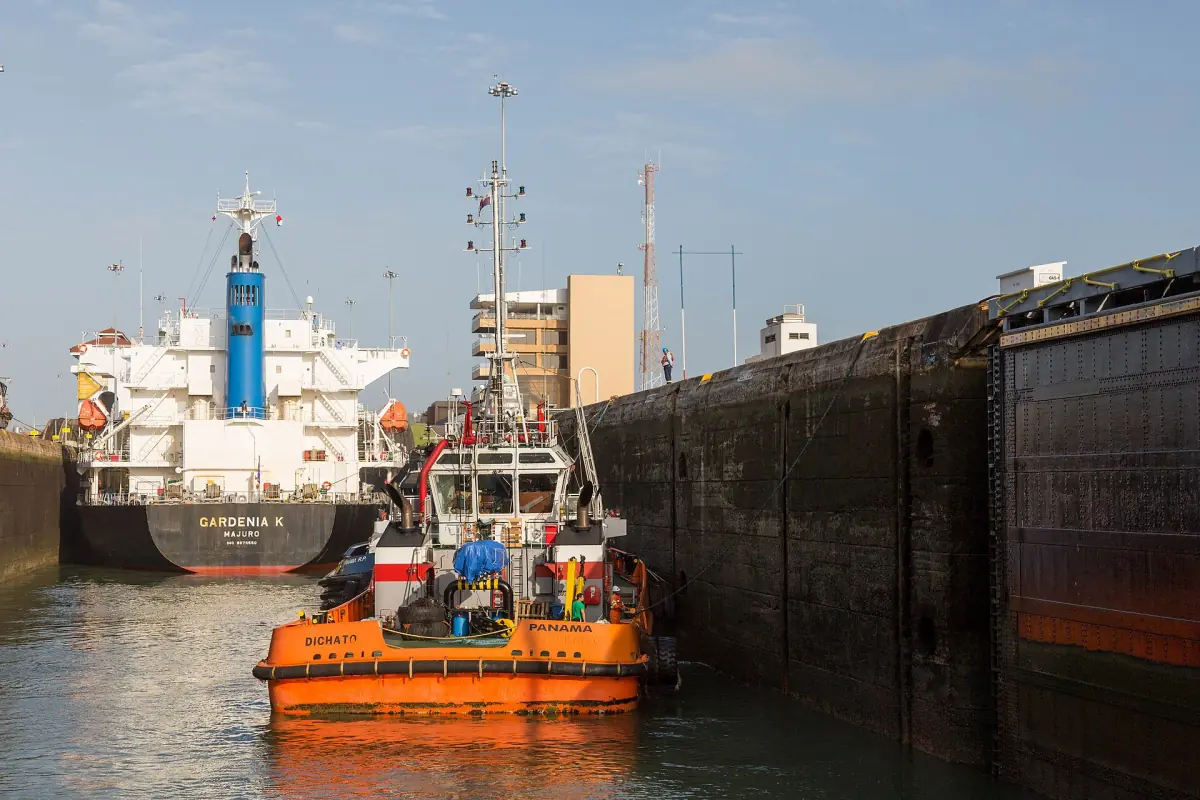
The expanded canal has its own locks, Agua Clara on the Atlantic side and Cocolí on the Pacific side. Cruise lines offer voyages over the historic locks and over the new ones, so a full passage does not have to go through Miraflores, Pedro Miguel and Gatún. The page Panama Canal map and locks shows both routes.
Panama Canal tours and excursions
Day trips on the canal and around Panama City, with live prices and availability.
Ports and shore excursions
Where the ships stop and what is within reach.
Colón, Atlantic side
Some itineraries call at Colón. Colón is not Panama City, so do not assume the capital is a few minutes away. The Agua Clara Visitor Center is on the Caribbean side of the canal near Colón.
Visitor centers →Fuerte Amador, Pacific side
Other itineraries use Fuerte Amador. From the Pacific side, Panama City and the Miraflores Locks are the usual targets for a land excursion.
Panama City →Check the time in port
There is no fixed time ashore and no guaranteed pier. Your cruise line sets both. Only book an independent trip if the return time leaves a comfortable margin before all aboard.
Ship excursion or independent trip
A ship excursion is held for you if there is a delay. On an independent trip you carry that risk. Day boat tours on the canal run on their own schedule and may not fit your port time.
Tour comparison →Season and weather
Two different calendars are in use.
The canal authority counts a cruise season from October to May. For 2026/2027 it expects more than 220 planned passages. The season opened on 7 October 2026 with the Carnival Miracle, which went north on a 16 day repositioning voyage that began in Seattle. Planned passages are not completed transits, so treat the number as a forecast.
Cruise lines sell their own calendar. Some offer departures all year and name mid-December to mid-April as the preferred weather window. Panama's tourism side describes about December to April as the dry season. So there is a core season, but no closed off season. For rain and temperatures by month, see best time to visit.
Low water and your cruise
What the limits mean, as of October 2026.
The canal has had to limit traffic because of low rainfall in the watershed. In a notice dated 28 September 2026, the canal authority set the following limits. From 15 October 2026 it allows 33 transits a day, of which 10 are Neopanamax ships, and a maximum Neopanamax draft of 49 feet (14.94 m) until further notice. The authority says the water deficit remains and ships without a reservation can face delays.
That does not mean the canal is closed, and a draft limit alone does not cancel a cruise. Whether a particular voyage changes depends on the cruise line, the ship and the day. Look at your cruise line for current information before you leave.
If you want a longer look at the history of the limits and the numbers behind them, see map and locks.
Panama Canal cruises: frequently asked questions
What is the difference between a full and a partial transit?
A full transit goes from one ocean to the other. A partial transit goes through the locks to Gatún Lake and returns on the same side. Read the itinerary, as both are sold as a Panama Canal cruise.
When is the Panama Canal cruise season?
The canal authority gives October to May. Some cruise lines also sell departures during the rest of the year and prefer mid-December to mid-April for weather.
How long does the passage take?
A ship needs 8 to 10 hours on average. Your own day depends on the itinerary and the cruise line.
Where do cruise ships dock?
Depending on the itinerary, at Colón on the Atlantic side or Fuerte Amador on the Pacific side. Colón is not close to Panama City.
Does low water affect cruises?
The canal limits daily transits and draft, with 33 transits and 49 feet (14.94 m) from 15 October 2026. A limit does not by itself cancel a voyage. Ask your cruise line about your date.
Can I visit a lock from the ship?
On a transit you see the locks from the deck. In port you can book a land excursion to a visitor center. Check the time in port first.